Bank Deposit Analysis: A Forensic Accountant's Method
Every forensic accounting engagement I take on eventually comes back to one question: what money actually moved? Not what the books say happened, not what a tax return claims, but what hit the bank. That's the premise behind bank deposit analysis , one of the core techniques I rely on to reconstruct income and expose gaps between reported and actual financial activity. The bank deposit method is deceptively simple to describe and genuinely difficult to execute well, and in this post I want to walk through how I actually run it on a real file, when I reach for it, and where it has made or broken a case.

What Bank Deposit Analysis Actually Involves
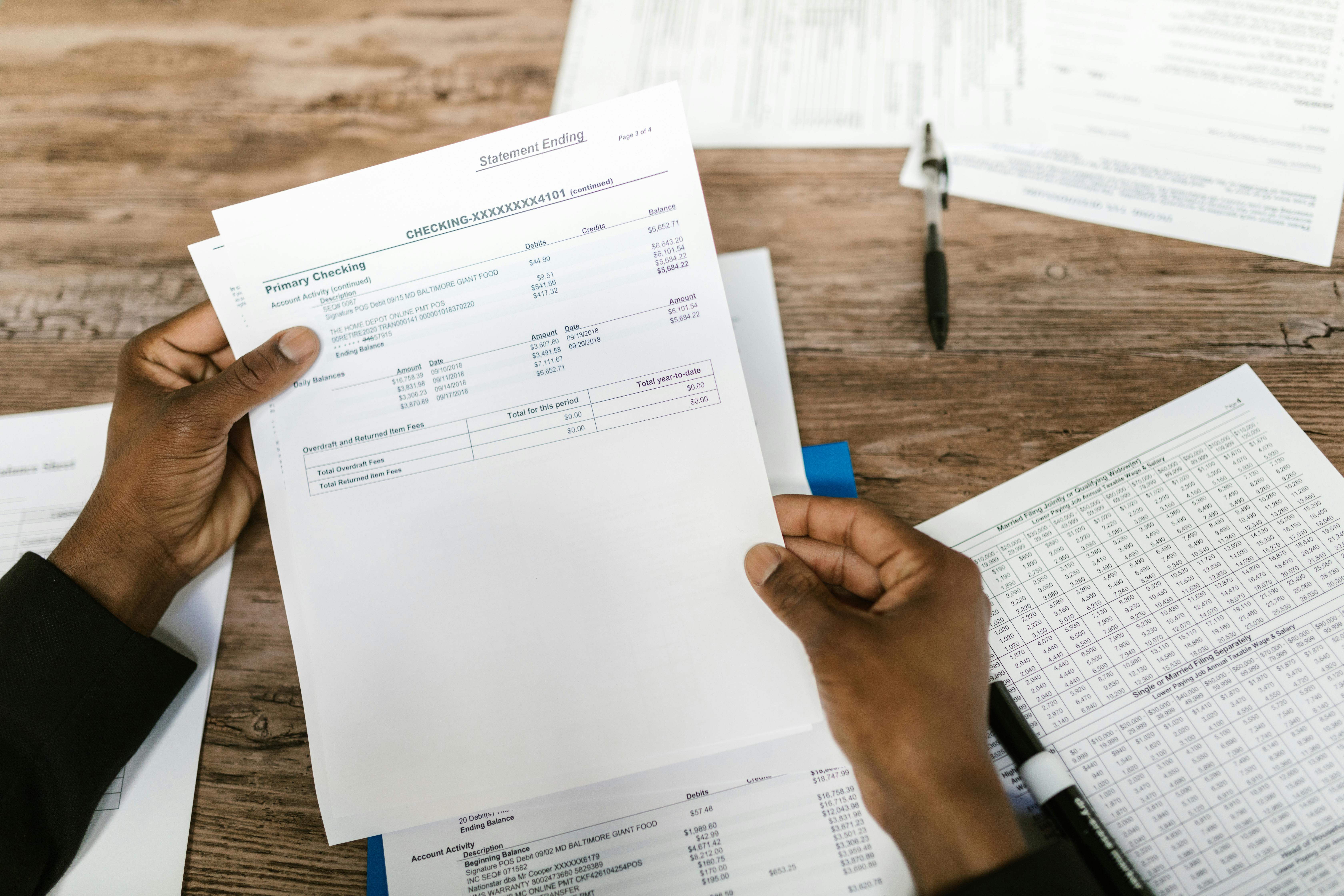
On a real file, I start with the raw bank statements for the entire period under review. That means reviewing every single page and logging each deposit by date, amount, type, and any memo or description attached to it. It's tedious, and there's no shortcut around it, because the whole method depends on having a complete and accurate picture of what actually came into the account.
Once that ledger of deposits exists, I pull the company's accounting records: the revenue ledger, customer payment reports, undeposited funds accounts, the bank register, and deposit detail from whatever system the business uses, whether that's QuickBooks or a point-of-sale platform. Then comes the matching work. Every bank deposit gets tied to a corresponding accounting entry. I'm looking for deposits that have no supporting revenue behind them, revenue recorded with no matching deposit, deposits that don't line up with batch totals, or deposits that appear to have been split apart or combined in unusual ways.
After that line-by-line matching, I step back and look at the bigger picture for patterns: delayed deposits, missing cash deposits, unusually heavy reliance on mobile deposits, suspiciously rounded amounts, odd timing, or unexplained ACH credits. Any deposit that's unmatched or simply looks off gets investigated further against invoices, POS reports, Z-tapes, customer statements, or merchant processing reports until I understand exactly what it represents.
Once the exceptions are resolved, the last step is building the narrative: what money came in, where it came from, what didn't match, what the patterns indicate, and which internal controls failed along the way. That narrative always has to tie back to the legal question driving the engagement, whether that's income determination for support purposes, a business valuation, a fraud allegation, a shareholder dispute, contract damages, or tracing funds.
When I Reach for the Bank Deposit Method
I turn to bank deposit analysis whenever the real question is about the actual money that hit the bank, not what the accounting system claims happened. That's especially true when revenue looks inconsistent, cash handling appears weak, deposits don't line up with sales activity, or the books themselves look incomplete or unreliable. It's also the right tool when there's a concern about skimming, unreported income, delayed posting, or a gap between what customers paid and what actually shows up in bank activity.
A scenario I see often: a small business where the accounting system shows revenue that's low or inconsistent, but the bank statements tell a different story. Comparing actual deposits to recorded revenue in that situation tends to surface missing entries, delayed postings, or patterns that suggest skimming. This makes the bank deposit method especially useful in income determination, business valuation, and suspected misappropriation matters, and it's a technique I lean on constantly as part of broader forensic accounting services and fraud investigations.
The Part Most People Misunderstand
People assume this method is purely mechanical: pull the statements, log the deposits, tie everything out. But the hardest part isn't the matching, it's the interpretation. The real skill is understanding why something doesn't match, what the pattern actually suggests, and how the flow of money reflects the way the business genuinely operates day to day. Two businesses can have the exact same unmatched-deposit count and mean completely different things, and figuring out which is which is where the real forensic judgment comes in.
Bank records tell you what happened. Explanations only earn credibility once the evidence backs them up.
How I Handle Explanations Like Gifts, Loans, and Transfers
Whenever someone offers an explanation for a deposit, whether it's a gift, a loan, or an internal transfer, I treat that explanation as a claim that needs to be supported, document it, and then go verify it. If someone says a deposit was a gift, I look for a pattern of similar deposits over time or documentation showing the funds were genuinely intended as personal support. If it's characterized as a loan, I look for a note, evidence of repayment activity, or some other indication that the funds were meant to be returned rather than kept. If it's described as a transfer, I confirm the money actually moved between the specific accounts claimed and didn't originate from an outside source dressed up to look like an internal movement.
The order matters here. Bank records come first, and the explanation comes second. An explanation only gets accepted once the evidence actually supports it, not simply because it sounds plausible.
Where This Method Has Made or Broken a Case
Bank deposit analysis becomes decisive whenever the accounting records and the bank activity tell two different stories. It reveals whether reported revenue is actually complete, whether cash was skimmed before it ever reached the books, or whether deposits were simply delayed or omitted entirely. It has also cleared cases, which is just as important: sometimes the bank activity confirms that reported revenue was accurate and there was no missing income at all.
One example I can share in general terms involved a small service business whose tax returns showed a certain level of revenue that the bank statements simply didn't support. Comparing actual deposits to the revenue claimed on the returns showed that only certain payment types were being deposited into the business account, while other common payment methods the business regularly accepted were missing from the deposit activity entirely. That gap revealed that revenue had been understated, and it became a key part of the financial findings in that matter.
This method also pairs naturally with the net worth method, which I cover in a companion piece on this site. Where the net worth method reconstructs income by tracking changes in assets, liabilities, and spending over time, bank deposit analysis works directly from what moved through the bank. Used together, they cross-check each other and often close the gaps that either one might miss on its own, which is also part of how forensic accountants track down hidden assets that were never reflected in reported income.
The Bottom Line
Bank deposit analysis works because it starts from the one record that's hardest to manipulate after the fact: the bank statement itself. It won't tell you everything on its own, but paired with careful matching, pattern recognition, and a willingness to actually verify explanations rather than accept them at face value, it consistently surfaces what the accounting records alone would never show.
If you're dealing with a divorce, a business dispute, a fraud concern, or any situation where the numbers on paper don't seem to match reality, I'd be glad to talk through whether this method fits your situation. Contact us and let's figure out what the bank records can tell us.