Construction Fraud: Job Costing, Change Orders & Over-Billing
I have spent years digging through job cost reports, draw requests, and change-order logs after a construction project has already gone sideways, and the pattern is almost always the same: someone trusted the paperwork instead of checking it against the jobsite. Construction fraud rarely announces itself. It shows up as a project that quietly runs out of cash months before it should, an owner who can't reconcile what was paid against what was built, or a change-order file that's grown three times thicker than the original scope. This piece walks through where construction fraud actually hides on a project — job costing, change orders, draws and billing, and subcontractor relationships — and what I look for when I'm asked to figure out what really happened.
Where Construction Fraud Hides Most Often
In my experience, the most common entry point for construction fraud is the draw and billing process. Draw schedules exist as a control: the contractor is supposed to fund the work first, then draw down the construction loan as milestones are inspected and confirmed complete. It's a clean idea on paper, and it breaks down constantly in practice. Contractors report milestones as finished when they aren't, submit draw requests that don't line up with actual site progress, and banks don't always get an inspector out fast enough to catch the mismatch before funds release. Once that happens, everything downstream starts to drift.
Change orders are the second place I look. They're a legitimate and necessary part of nearly every project, which is exactly what makes them such a convenient place to bury inflated costs, duplicate charges, or work that was never actually performed. When a change-order log doesn't match what's visibly happened on the jobsite, that's usually a sign to dig deeper rather than take the paperwork at face value.
Job costing is the third. Costs get shifted between projects, or padded to disguise an overrun on a job that's underperforming. From the outside it can look like sloppy bookkeeping. It's only when you trace the actual flow of funds against real construction activity that the shifting becomes obvious.
And subcontractors are frequently used as a shield for questionable charges — especially when subs are loosely vetted, or when a general contractor approves subcontractor invoices with little to no scrutiny. A subcontractor's invoice that no one on the owner's side is checking against actual work performed is an open door.
A Draw Request Case That Illustrates the Problem
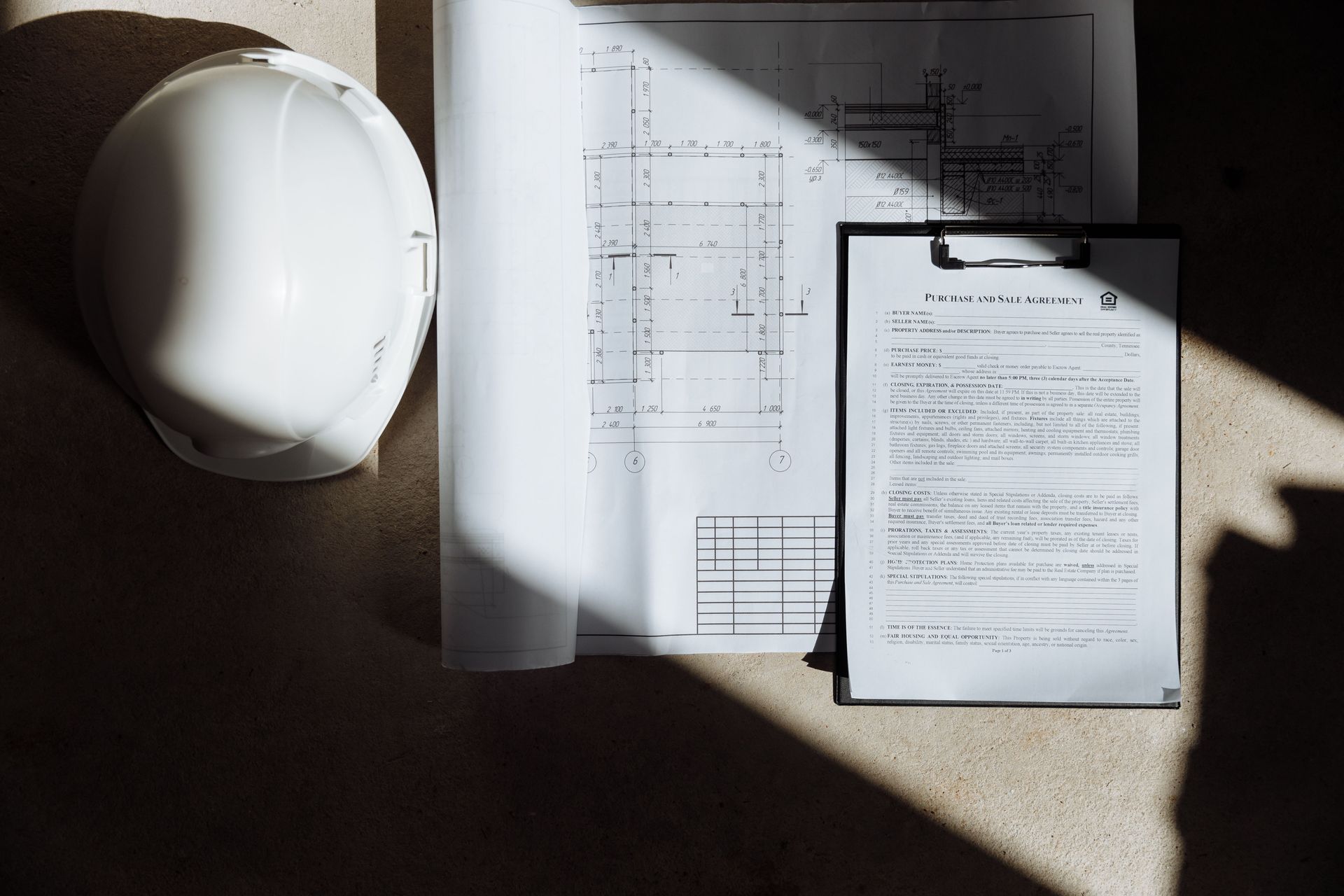
I've worked several construction matters where the first sign of trouble was an irregular pattern of draw requests. In one case, an owner couldn't understand why the project was burning through cash so early — the numbers just didn't add up against how much of the building was actually standing. When I pulled the draw history and lined it up against real construction progress, the answer was clear: the contractor had been pulling funds well before the corresponding work was complete. Milestones were marked "done" in the draw paperwork even though materials hadn't been delivered to the site and the labor hadn't been performed yet.
Tracing the flow of funds against what had actually happened on site closed the gap between what the owner believed and what had really occurred. Once that picture was built, the owner had a defensible accounting of exactly how the draw process had been manipulated and how much money had been released that shouldn't have been.
Once the draw process is manipulated, everything downstream on the project falls apart — because every later decision was built on a false read of what was actually complete.
A Publicly Reported Example
To be clear, the construction matters I've personally investigated were resolved privately, so I can't share their details. But the patterns show up in public cases too. Phillips Glenwood Construction, a New Jersey firm, agreed to pay $2.4 million to resolve allegations that it billed inflated labor hours and materials to the U.S. Postal Service over several years, relying on altered documentation and payment requests that didn't match the work actually performed. The mechanics are familiar: once billing or draws drift away from what's genuinely happening on site, a project runs out of money long before it should — and that gap between paper and reality is usually where a forensic review begins.
What Owners and General Contractors Get Wrong
The biggest mistake I see is assuming the draw schedule, the milestone checklist, and the bank's inspection process will protect everyone automatically. In practice, those controls fail all the time — milestones get marked complete without matching work, banks are slow to send an inspector, and draws get approved based on paperwork rather than a walk-through of the site. The second mistake is trusting documentation itself: change orders, subcontractor invoices, job costing reports, all taken at face value without anyone verifying them against what's physically happening on the ground. Protection comes from verification, not from trust in the process. Projects go sideways precisely when everyone assumes the system will catch problems on its own.
How Forensic Reconstruction Actually Works
When I'm brought in, I start from what should have happened: the project's planned milestones, expected costs, and draw timing, which is often captured in nothing more elaborate than a spreadsheet or a schedule. From there I work backwards, tying each draw request to the invoices submitted, the work claimed as complete, and any inspection reports meant to confirm or contradict that progress.
Put the planned timeline and the actual flow of funds side by side, and the gaps tend to jump out. Reported milestones versus what was physically built. Invoices versus the materials and labor that should exist to support them. Bank inspections versus the draws that were approved around them. If a contractor pulled money before completing their required upfront contribution, or marked milestones complete with no corresponding work, it surfaces almost immediately once the two timelines are compared.
Red Flags Worth Watching For
Based on what I've seen across these matters, here are the signs that consistently point to a problem worth investigating:
- Draws that don't match jobsite reality — money released for work that isn't done, materials that haven't been delivered, or milestones that were never independently verified
- Change orders that are out of proportion to any real shift in scope, or that conveniently appear once a budget is running tight
- Invoices that don't tie to anything physically present on site
- Subcontractor activity that's inconsistent or poorly documented — vague invoices, repetitive charges, or subs who can't clearly explain their own work
- Job costing reports that don't reconcile, with costs shifted between jobs, padded labor, or materials misallocated across projects
- Sequence problems, such as billing for work that logically couldn't have happened yet
- Missing or delayed inspections before a draw gets approved anyway
- Documentation that looks unusually clean against a project that is otherwise chaotic — often a sign the numbers were shaped to fit a narrative rather than reflect what actually occurred
Why This Matters Beyond the Numbers
Construction fraud isn't just a bookkeeping problem — it's a trust problem that plays out in real dollars and real disputes. Owners lose confidence in contractors, lenders lose confidence in draw requests, and eventually these disagreements end up requiring outside expertise to sort fact from claim. That's where dedicated fraud investigations come in: tracing the money, reconstructing what should have happened, and building a record that holds up to scrutiny. When a dispute moves toward a courtroom or arbitration, that same reconstruction becomes the backbone of effective litigation support, giving attorneys and their clients a defensible, well-documented account of exactly where and how the numbers diverged from reality.
Protecting Your Next Project
Construction fraud thrives in the gap between what's on paper and what's actually on the ground. Draw schedules, change-order logs, job costing reports, and subcontractor invoices are all necessary parts of running a project — but none of them protect anyone unless someone is actively verifying them against physical progress. If a project's cash is disappearing faster than the building is rising, or the documentation looks a little too clean for how messy the job actually is, it's worth having someone independent take a look before the gap gets any wider. If you're facing a construction dispute or just want a second set of eyes on a project that doesn't feel right, contact us and let's talk through what you're seeing.